Delivering National-Scale STEM Textbook Digitization for Moldova’s Ministry of Education
National-Scale STEM Textbook Digitization
How we turned 10 curriculum-aligned STEM textbooks into interactive, accessible, and SCORM-compliant digital learning resources for Moldova’s Ministry of Education and Research in a UNICEF-supported national initiative.
National-Scale STEM Textbook Digitization
How we turned 10 curriculum-aligned STEM textbooks into interactive, accessible, and SCORM-compliant digital learning resources for Moldova’s Ministry of Education and Research in a UNICEF-supported national initiative.
Initial situation
Moldova’s Ministry of Education and Research aimed to move beyond static digital copies of textbooks and create learning materials better suited for modern digital education.
While the existing STEM textbooks provided strong curriculum foundations, their printed format limited how students could engage with complex scientific and mathematical concepts. Subjects such as Physics, Chemistry, Biology, and Mathematics require visualization, experimentation, gradual discovery, and active practice, elements that are difficult to fully support in traditional textbook formats.
The goal was to redesign how STEM content functions in digital environments by creating interactive learning experiences that would:
 support active participation instead of passive reading
simplify complex concepts through interaction and visualization
introduce engaging exercises
improve accessibility for different learners
work smoothly across devices
remain fully aligned with Moldova’s national curriculum
At the same time, the project required consistent production quality across hundreds of lessons and thousands of interactive screens while maintaining close collaboration with Ministry reviewers throughout the implementation process.
Initial situation
Supporting Moldova’s National Education Digitization Strategy
The project was delivered as part of Moldova’s broader education modernization efforts outlined in the Policy Programme on Digitization in the Field of Education for 2024–2027, developed with support from UNICEF and international development partners.
Within this broader initiative focused on expanding access to digital and accessible learning resources, Learnetic contributed by transforming printed STEM textbooks into interactive digital learning experiences aligned with Moldova’s national curriculum.
Referring to Moldova’s education digitization strategy, Ilija Talev, UNICEF Deputy Country Representative in Moldova, noted:
This program is aligned with the Development Strategy ‘Education 2030’, the National Digital Transformation Strategy 2023–2030 and other relevant policies.
UNICEF Moldova also emphasized the broader importance of digital transformation in education:
Digitization in education is no longer an option, but a necessity for ensuring quality, equitable, and accessible education for all children.
Source: UNICEF Moldova, Strategic priorities for digitization in the field of education discussed with experts in the field
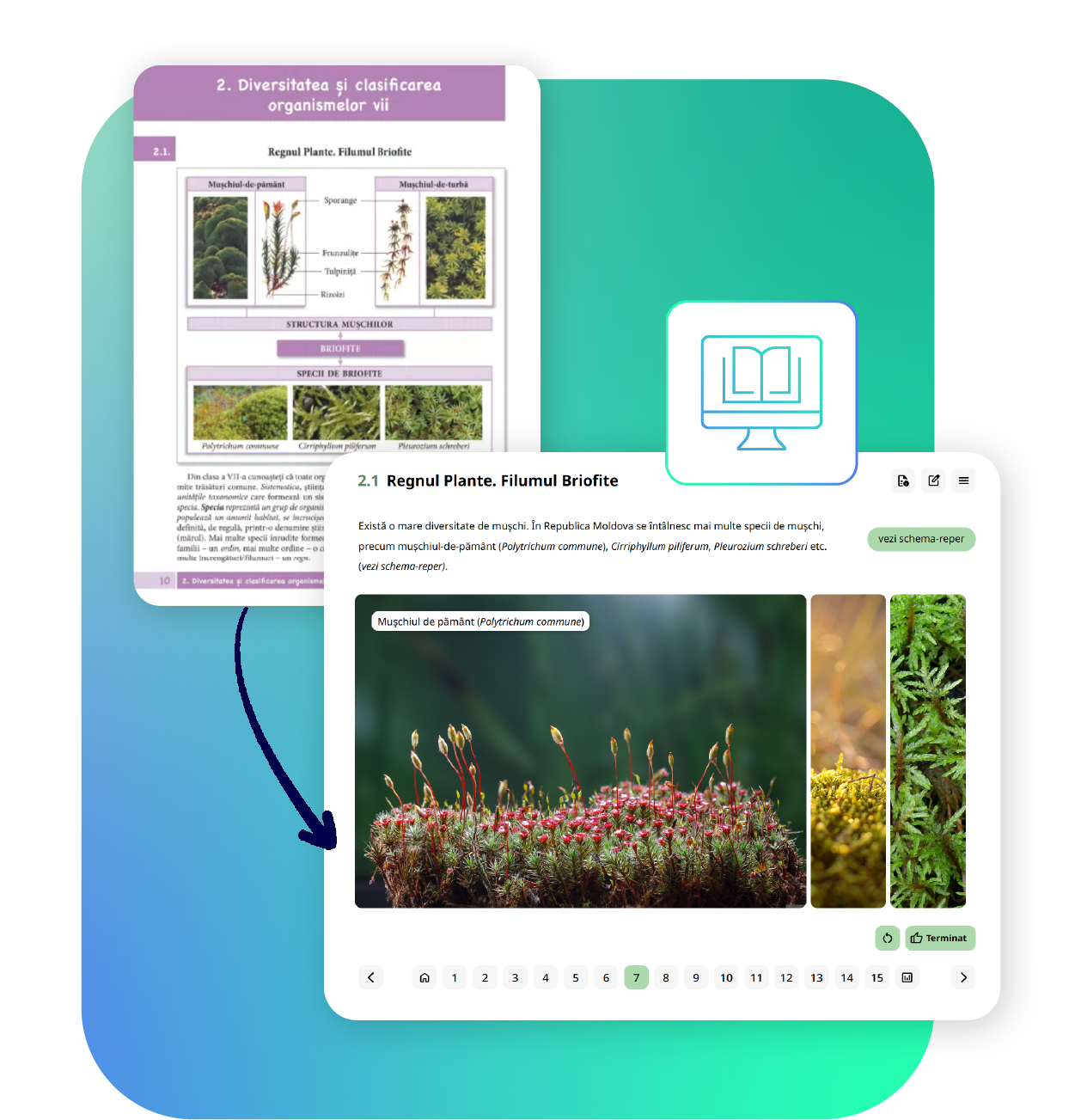
The Challenge
Transforming printed STEM textbooks into interactive learning resources
The project required Learnetic to digitize and enhance 10 STEM textbooks while preserving 100% of the original educational content and maintaining full compliance with the national curriculum.
The implementation involved multiple operational and pedagogical challenges:
large-scale interactive content production
coordination of multi-phase deliveries
iterative review cycles with Ministry experts
implementation of WCAG 2.2 accessibility standards
responsive design across devices
SCORM interoperability for future LMS deployment
consistency across subjects and grade levels
Beyond simple digitization, the materials had to support active learning through:

interactive
exercises
simulations
visualizations
structured
feedback mechanisms
intuitive
lesson navigation
The challenge was to create scalable digital learning resources that would remain pedagogically structured, technically sustainable, and accessible to all learners.
Project’s highlights

10
Interactive STEM
textbooks digitized

458
Interactive eLessons delivered

6,031
Interactive screens produced

WCAG 2.2
Accessibility-compliant learning content

SCORM-ready
Content prepared for LMS integration
Solution
Scalable interactive textbook digitization with mAuthor
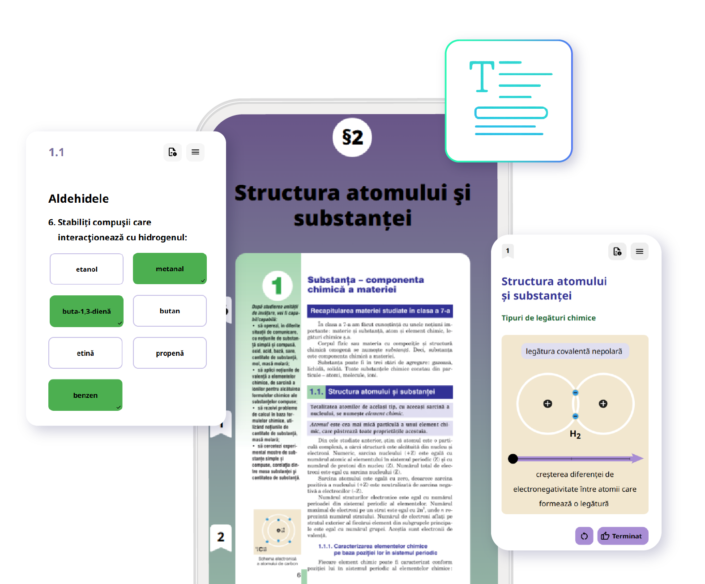
Learnetic used mAuthor (authoring tool) to transform static textbook materials into interactive and accessible digital learning resources prepared for national-scale deployment.
The platform enabled efficient large-scale content production while maintaining consistency across all textbooks, subjects, and grade levels.
The goal of the project was not only to digitize textbook content, but to make STEM education more engaging, accessible, and effective for students learning in digital environments.
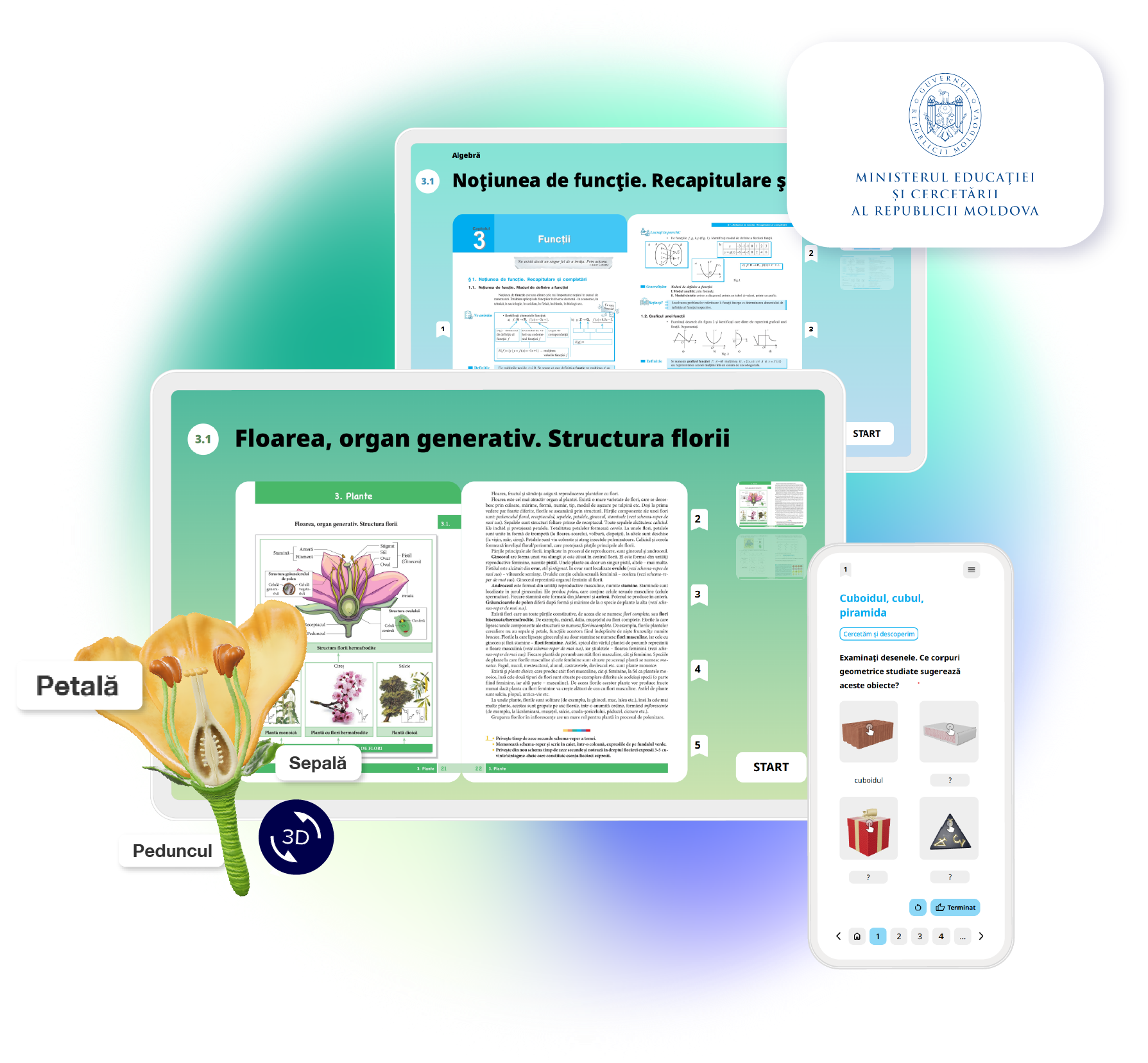
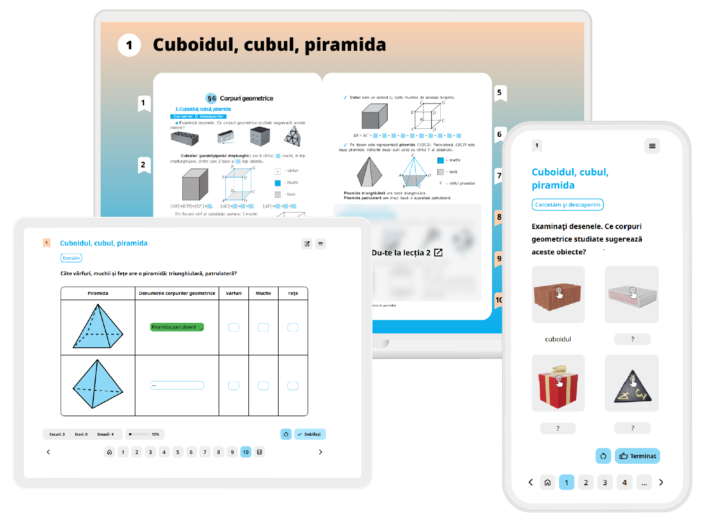
To support this objective, Learnetic transformed traditional printed textbooks into interactive eLessons designed around active learning, gradual discovery, and practical understanding of complex concepts. Instead of passively reading static pages, students can now explore STEM topics through interaction, experimentation, visualization, and immediate feedback.

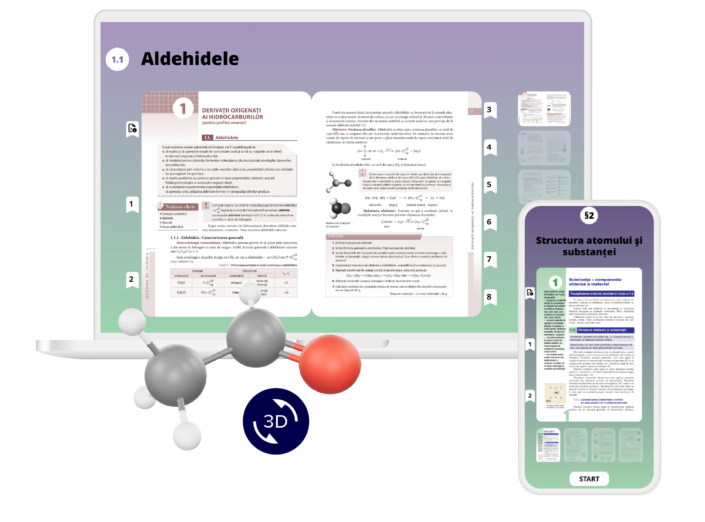
The new digital lessons introduced a wide range of interactive learning components, including:
simulations and animations
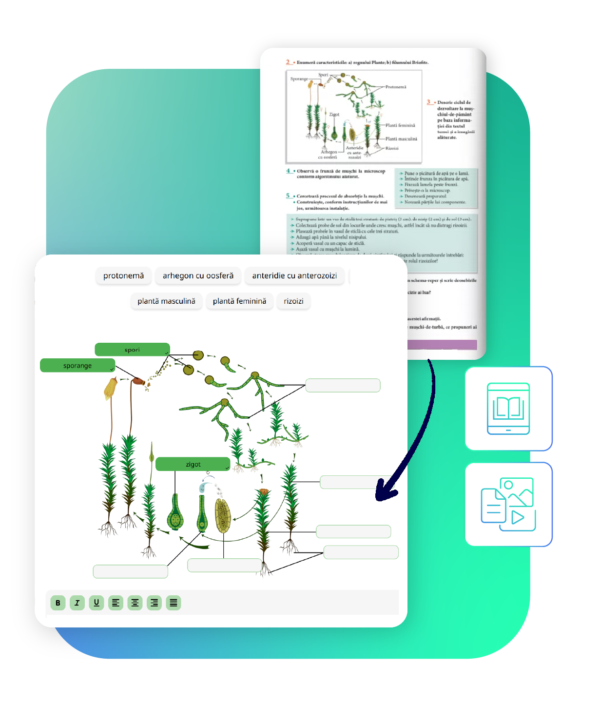
interactive diagrams
3D models
drawing and annotation tools
student recorded responses
interactive exercises
progress tracking
instant feedback mechanisms
multimedia explanations
responsive lesson layouts
The approach was particularly important for STEM subjects, where abstract concepts often become easier to understand through visual explanation and hands-on interaction.
The project also placed strong emphasis on usability and accessibility. Lessons were designed to work smoothly across devices and support different learning styles, helping students access content both in classrooms and independently.
For teachers, the digital textbooks introduced new ways of working with curriculum materials during lessons. The resources included:
whiteboard mode
interactive classroom presentation tools
learning objectives
structured lesson navigation
progress reporting
multimedia learning support
All materials were developed as SCORM-compliant learning packages with accessibility standards integrated directly into the production process, supporting Moldova’s broader goals related to inclusive and modern digital education.
“This was the best-managed project I’ve ever worked on. The Learnetic team showed exceptional professionalism throughout the entire process and consistently demonstrated that they truly understand how to turn educational content into effective digital learning experiences.”
Mariana Gurghis
Project Coordinator, Moldova’s Ministry of Education and Research
Accessibility integrated from the design stage
Accessibility was implemented as a core component of the production process rather than a post-production enhancement.
The lessons were developed in alignment with WCAG 2.2 compliance principles and included:
built-in Text-to-Speech functionality
keyboard-only navigation
alternative text for visual media
logical navigation structures
responsive layouts
contrast-compliant interfaces
The accessibility layer supported students with different physical, sensory, and cognitive needs while ensuring compatibility across desktops, tablets, smartphones, and interactive whiteboards.

Additional accessibility features included:

dark mode-ready content design

visible focus indicators

structured typography hierarchy

accessible interactive modules

consistent interface patterns
This approach helped ensure that the digitized curriculum remained inclusive and usable within diverse educational environments.
Platforms and services behind our clients’ success
Versatile
LMS & eContent
Distribution
Platform
Bestselling
and the most
powerful
Authoring Tool
Turn
textbooks into
digital learning
experiences
Educational
ePublishing
at AI Speed
.
Planning a national textbook digitization initiative?
Learnetic helps ministries of education, publishers, and international organizations deliver scalable digital curriculum projects aligned with accessibility, interoperability, and long-term educational infrastructure goals.
Let’s talk about your project.
How does De Alba Math Center use interactive education?
How does De Alba
Math Center use interactive education?
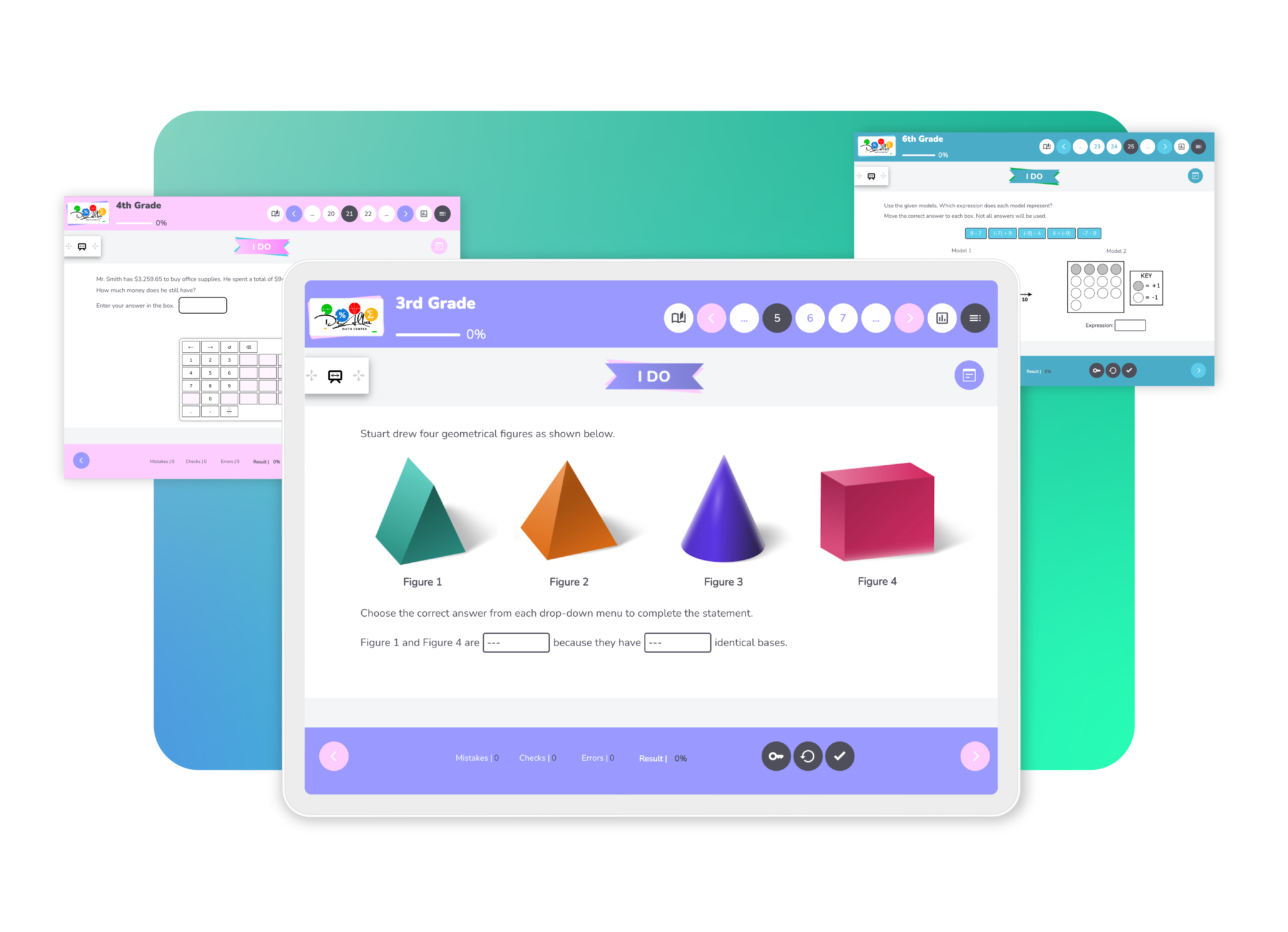
De Alba Math Center accelerated student
success by reimagining static worksheets
as dynamic interactive content, fueling
an explosive 650% growth and propelling
test scores upward by over 20%.
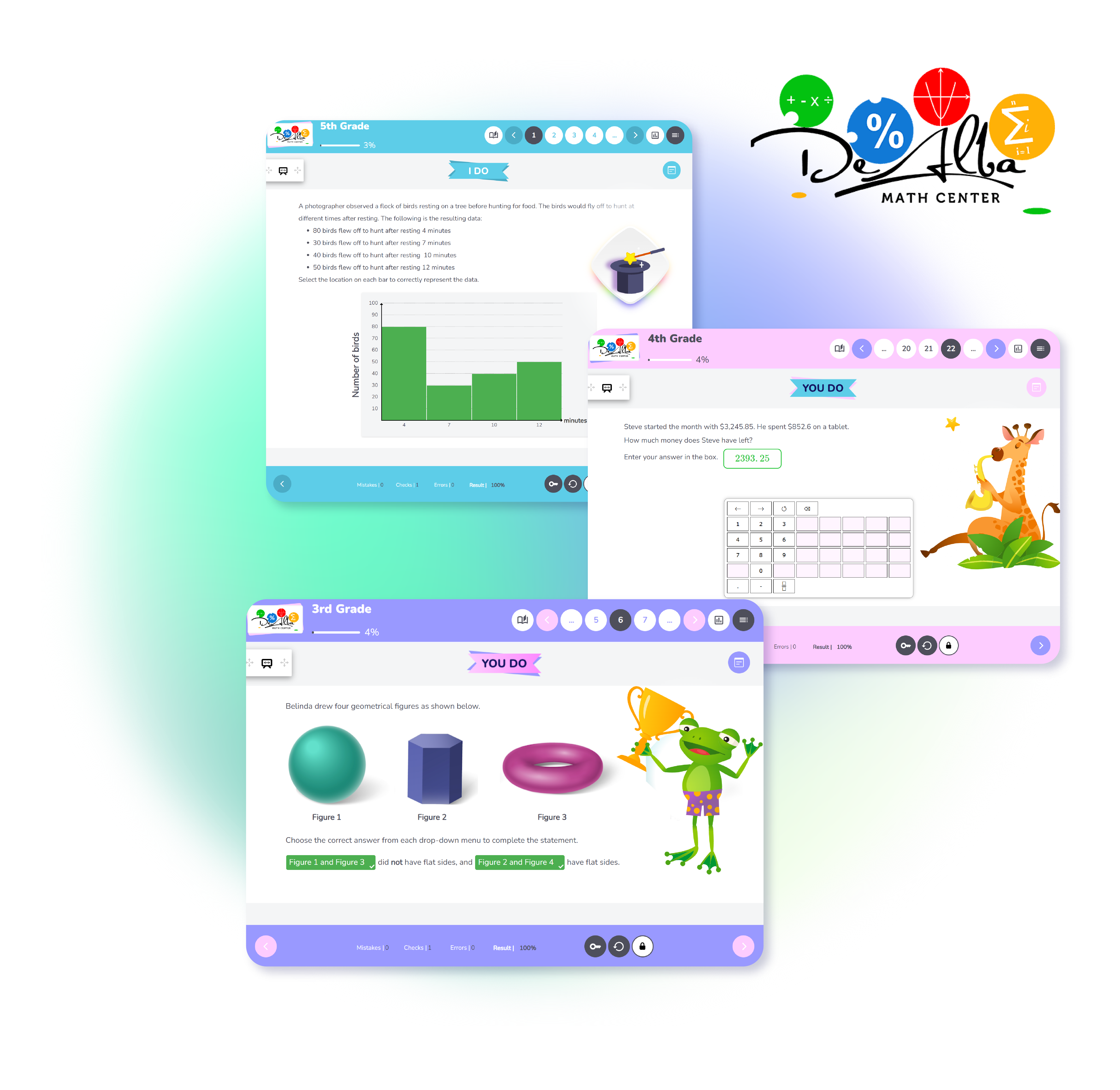
De Alba Math Center
Elevating math education
through interactive innovation
De Alba Math Center accelerated student success by reimagining static worksheets
as dynamic interactive content, fueling
an explosive 650% growth
and propelling test scores upward by over 20%.
Initial situation
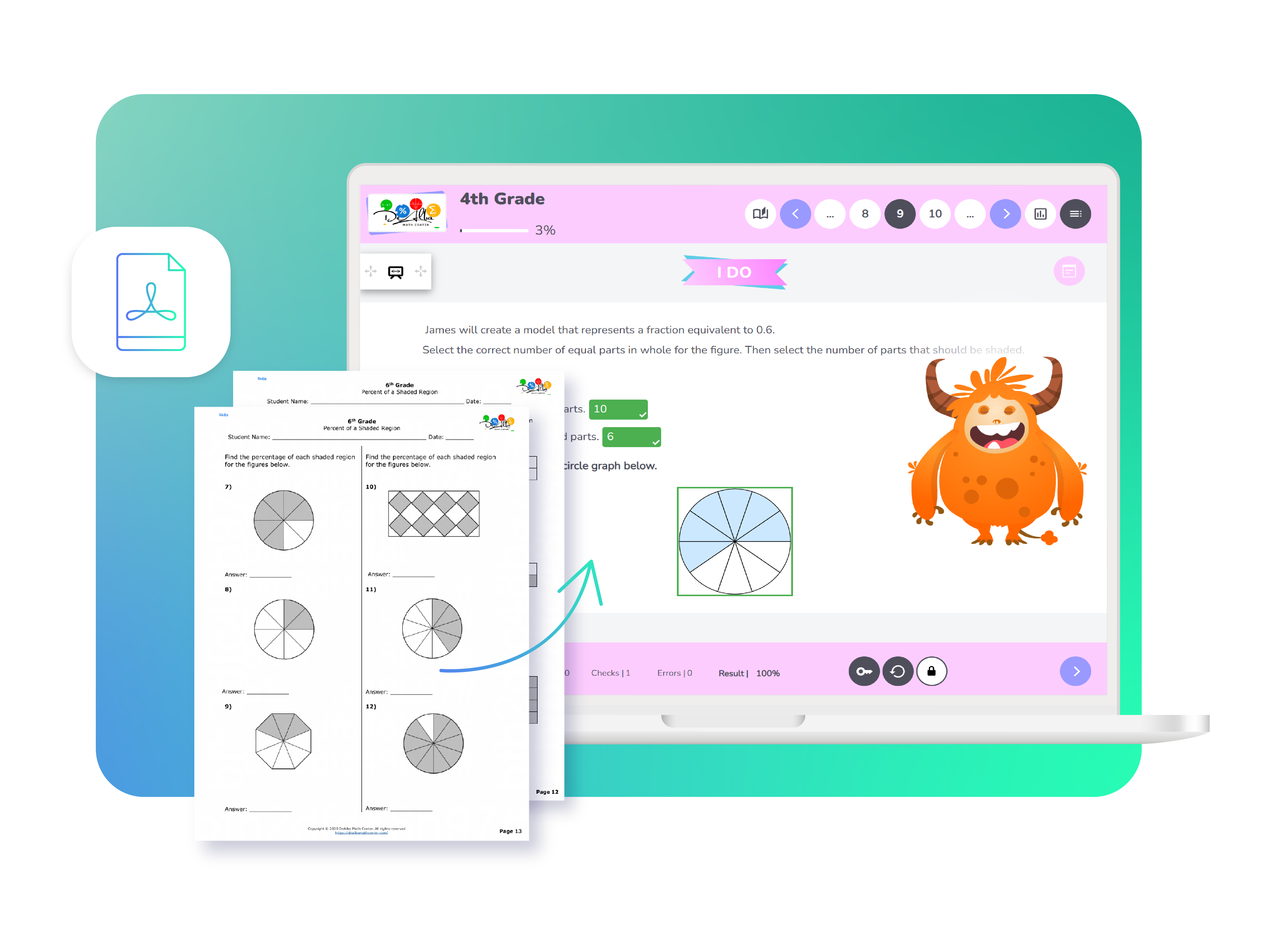
Consider their beginning: A focused team developing comprehensive PDF resources for 350 students in their initial market.
This was De Alba’s strategic foundation. Their first digital advancement involved implementing sophisticated DRM solutions, enabling online access and interactive digital annotations – a progressive approach that facilitated expansion to 2,000 students.
Subsequently, a significant announcement was made: the state educational agency was modernizing assessment methodology. Traditional paper tests were being replaced by advanced, technology-enhanced assessments.
Project’s highlights
Ecosystem
Development
Coordinating a fully functional ecosystem
for interactive mathematics content

Curriculum
Alignment
Ensuring all content creation and distribution aligned with Texas Essential Knowledge
and Skills (TEKS) curriculum requirements

Rapid
Scaling
Successfully expanding user base from 2,000
to over 15,000 students while maintaining quality and performance
Challenges
De Alba Math Center encountered several significant challenges:
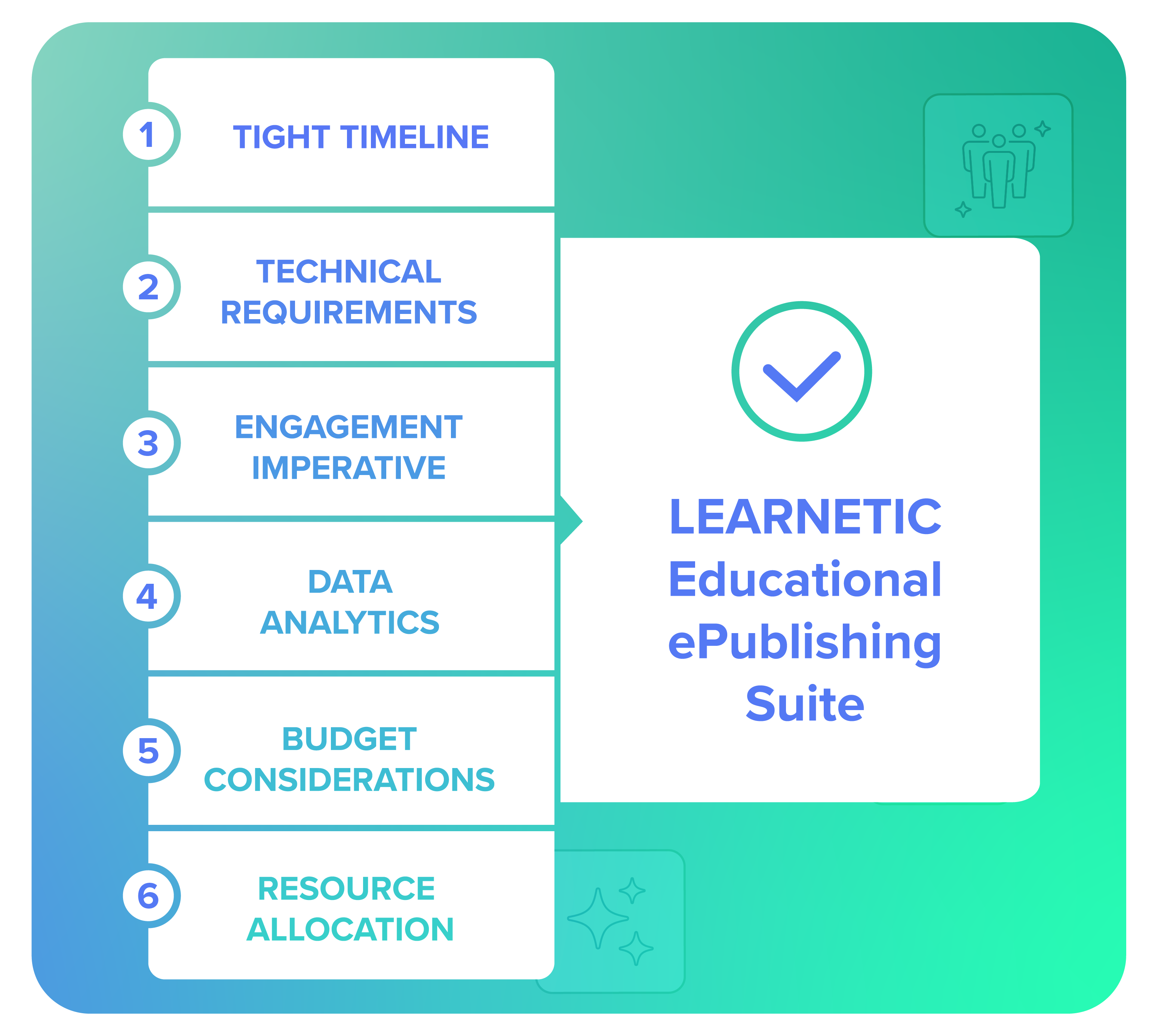
Tight timeline: Just two months to transition from static to interactive content
Technical requirements: Finding a user-friendly platform that didn’t necessitate coding expertise
Engagement imperative: Developing visually compelling content that would engage students
Data analytics: Providing comprehensive performance metrics to administrators
Budget considerations: Implementing advanced technology within financial constraints
Resource allocation: Securing implementation support beyond their core team’s capacity
After a thorough evaluation of five competing solutions, De Alba determined that many white-label options lacked essential specialized features – particularly the advanced mathematical graphing tools their curriculum required.
Solutions
Search for an optimal partner led them to Learnetic’s comprehensive suite:
mAuthor: The intuitive platform powering their interactive content creation
mCourser: Their streamlined system for content distribution and management
eContent Development Services: Professional support extending their team’s capabilities

“What made Learnetic’s solutions particularly suitable for us was the flexibility of the modules in the authoring tools, which allowed us to create visually appealing lessons while implementing all the required functionalities. Additionally, the cost structure was significantly more favorable compared to other options they evaluated. ”
Diana De Alba
President, De Alba Math Center

Results That Matter

650%
growth
Student users increased
from 2,000 to 15,000

20%+
improvement
Schools utilizing De Alba’s programs consistently report standardized test score increases exceeding 20%

Enhanced
engagement
Students previously challenged by mathematics now demonstrate significant enthusiasm

Revenue
growth
While operational costs increased, revenues grew
at a higher rate, improving profitability
Platforms and services that powered success
Looking for a similar solution?
Let’s connect and explore
how we can support your project.
Learn About Klett’s new German Learning Series
Contact info
Learnetic SA
Educational ePublishing Services & Technologies
- Authoring Tools
- White-label LMS
- eContent Development Services
- Ready-made eContent Packages
Please use Contact Us form to send us your message.

Our next Fairs & Exhibitions
 Discover how educational publishing works at AI speed at Frankfurter Buchmesse | 7-11 October, 2026April 28, 2026 - 10:36
 See how educators save time with AI at GESS Dubai | 10–12 November 2026April 27, 2026 - 13:27
 AI in Education Events 2026: Meet EdTool and EdTool PRO at the Learnetic Global TourApril 2, 2026 - 11:06
GLOBAL SURVEY
.